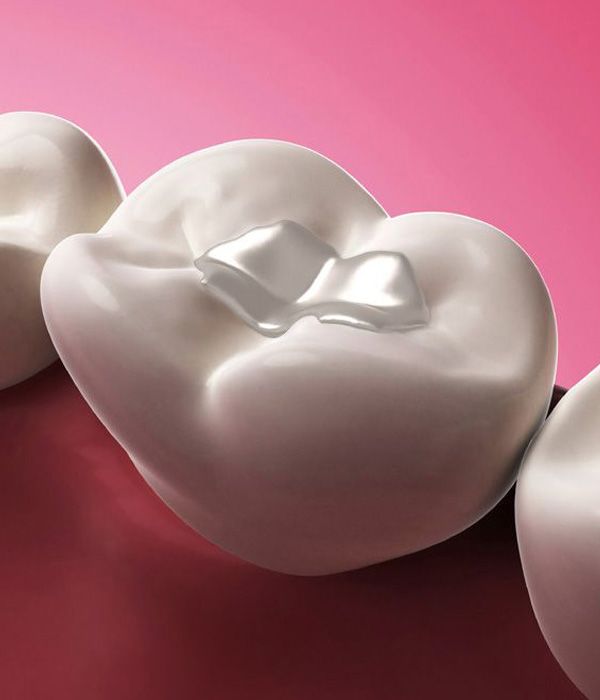
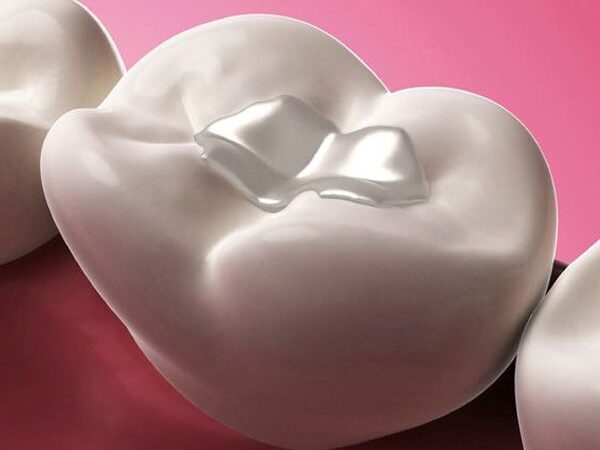
Getting a composite filling is a routine part of dental care, but what you do after your appointment matters. Good aftercare can help you stay comfortable, protect the restored tooth, and lower the risk of problems with your bite or sensitivity. The good news is that composite, or tooth-colored, fillings are fully set when you leave the office, so recovery is usually simple.
In this guide, you will learn what to expect after a composite filling, when you can eat, how to manage soreness, and which symptoms are normal. You will also find tips for children, advice for common concerns, and signs that it is time to call the office. A few simple steps can make your recovery smoother.
What to Know Right After a Composite Filling
Composite fillings harden during your appointment, so you do not have to wait hours for the material to set. In most cases, you can chew as soon as the anesthetic completely wears off.
If your mouth is still numb, be careful. Numb lips, cheeks, and tongue make it easy to bite yourself without realizing it. Hot drinks can also cause burns before you feel the heat.
Until the numbness is gone, it is best to:
- Avoid chewing on the treated side
- Skip hot coffee, tea, or soup
- Eat only if necessary, and choose soft foods
- Pay close attention when speaking or chewing
This short waiting period helps prevent accidental injury.
Why Numbness Needs Extra Attention
Local anesthetic can last for several hours after your visit. That may not seem like a big issue, but it can lead to sore lips, cheeks, or tongue if you are not careful.
This is especially important for children. Many children react to the strange numb feeling by chewing or sucking on the inside of their lips or cheeks. That can cause painful swelling or tissue damage later in the day.
If your child has had a filling, keep a close eye on them until the numbness fully wears off. Offer water if needed, but avoid snacks that require chewing.
How to Eat After a Tooth-Colored Filling
Once the numbness is gone, you can return to normal chewing. Even so, it is smart to go easy on the filled tooth for the first day or two.
Try to avoid very hard foods, including:
- Ice
- Hard candy
- Nuts that are hard to bite
- Other foods that put heavy pressure on the tooth
Composite fillings are strong, but they still need proper care, just like natural teeth. Biting down on hard foods can place extra stress on the restoration and the tooth around it.
A simple rule helps here: if it feels too hard on your natural teeth, it is too hard on a filled tooth too.
Is Sensitivity Normal After a Filling?
Yes, some sensitivity is common after a composite filling. You may notice discomfort with:
- Cold drinks
- Very hot foods
- Sudden temperature changes
- Pressure when biting
This can last for a few days or even a few weeks. In general, the deeper the cavity was, the more sensitive the tooth may feel afterward.
Mild tenderness does not always mean something is wrong. It often improves as the tooth settles down. Over-the-counter pain relief, such as ibuprofen, acetaminophen, or aspirin, may help if your dentist has said these are safe for you to take.
What About Sore Gums or Injection Site Pain?
It is also normal to have some soreness around the gum tissue near the filling. During treatment, the area may have been gently moved or irritated. If you received anesthetic, the injection site may feel tender for a short time too.
This kind of discomfort is usually mild and temporary. It should improve within a few days.
You may also notice that the filling feels slightly different from your original tooth. The surface, shape, or contour may seem unusual at first. That is normal. Your tongue is very sensitive and tends to notice even small changes. Most patients adjust to that feeling quickly.
If Your Bite Feels Off, Do Not Ignore It
One of the most common concerns after a filling is a bite that feels uneven. You may notice that one tooth hits first, chewing feels strange, or the area becomes sore when you bite down.
This is not something you should try to get used to for too long. A filling that is slightly too high can cause ongoing discomfort and put stress on the tooth and jaw.
Signs your bite may need adjustment include:
- Pain when chewing
- A tooth that feels taller than the others
- A sore or tired feeling in that area
- Pressure when you close your mouth
The fix is often quick and simple. If your bite feels off, call the office for an adjustment.
Common Questions Patients Have
How long will sensitivity last?
Mild sensitivity may last a few days to a few weeks. It should slowly improve, not get worse.
When should I worry?
Call the office if you have increasing pain, strong sensitivity that does not improve, or discomfort that lasts longer than expected.
Is it normal for the tooth to feel different?
Yes. A new filling can feel a little different at first. Most people get used to it within a few days.
Follow the Aftercare Instructions for the Best Result
Aftercare for a composite filling is not complicated, but it is important. Waiting for numbness to wear off, being careful with hard foods, and paying attention to your bite can make a big difference in your comfort.
If something does not feel right, trust that instinct. Whether your bite feels uneven, sensitivity is getting worse, or you simply have a question, the team at Dentist Near Me is here to help. Contact the office if you need advice, reassurance, or a simple adjustment.